
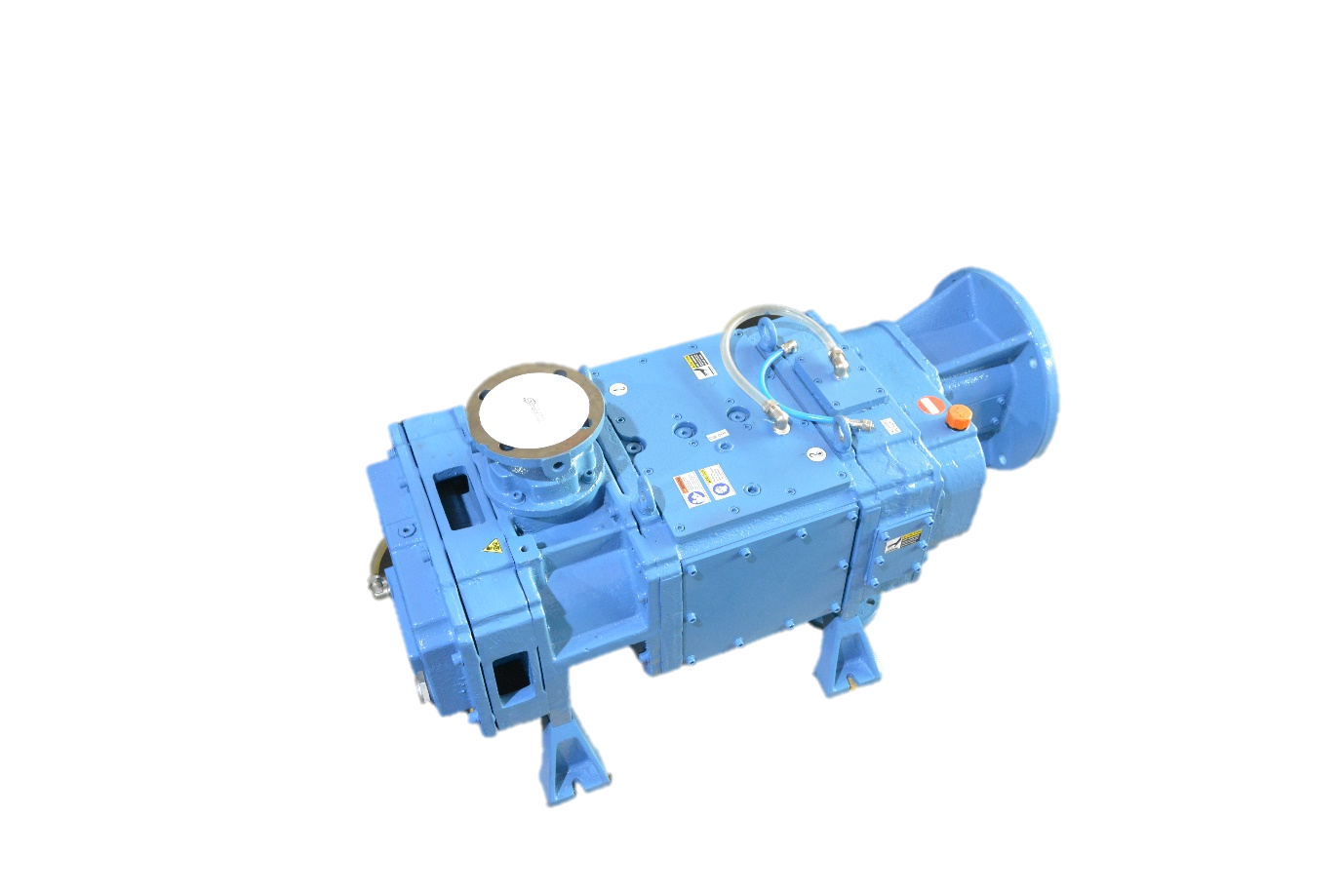
Dry Screw Vacuum Pumps in Thionyl Chloride ApplicationsrnrnA dry screw vacuum pump is a device that uses two intermeshing screws to compress and pump air from a sealed chamber. This type of pump is particularly useful in applications that require high pumping speeds, low operating costs, and low maintenance. One specific application where a dry screw vacuum pump can be used is in the production of thionyl chloride, a highly reactive and corrosive substance used in the production of various chemicals.rnrnThionyl chloride is an extremely toxic and flammable substance, making it critical that any pumping equipment used in its production is both reliable and safe. Dry screw vacuum pumps are ideal for this application, as they are designed to operate under high-pressure and high-temperature conditions, providing a reliable and consistent pumping rate.rnrnAnother advantage of using dry screw vacuum pumps in thionyl chloride production is their ability to handle high vapor pressures. Thionyl chloride has a high vapor pressure, which can cause issues in conventional pumping equipment that rely on seals and gaskets. Dry screw vacuum pumps, however, do not have any seals or gaskets, making them ideal for this application.rnrnIn addition to their reliability and safety, dry screw vacuum pumps are also energy-efficient. This makes them a cost-effective solution for thionyl chloride production, as they require less energy to operate than other types of vacuum pumps.rnrnFinally, dry screw vacuum pumps are low maintenance. Unlike other types of vacuum pumps that require regular maintenance to maintain their performance, dry screw vacuum pumps have a long lifespan, making them an attractive option for companies looking to reduce their operational costs.rnrnIn conclusion, a dry screw vacuum pump is an ideal solution for thionyl chloride production. Their reliability, safety, energy efficiency, and low maintenance requirements make them an attractive option for companies looking to reduce their operational costs while ensuring the production of high-quality thionyl chloride.